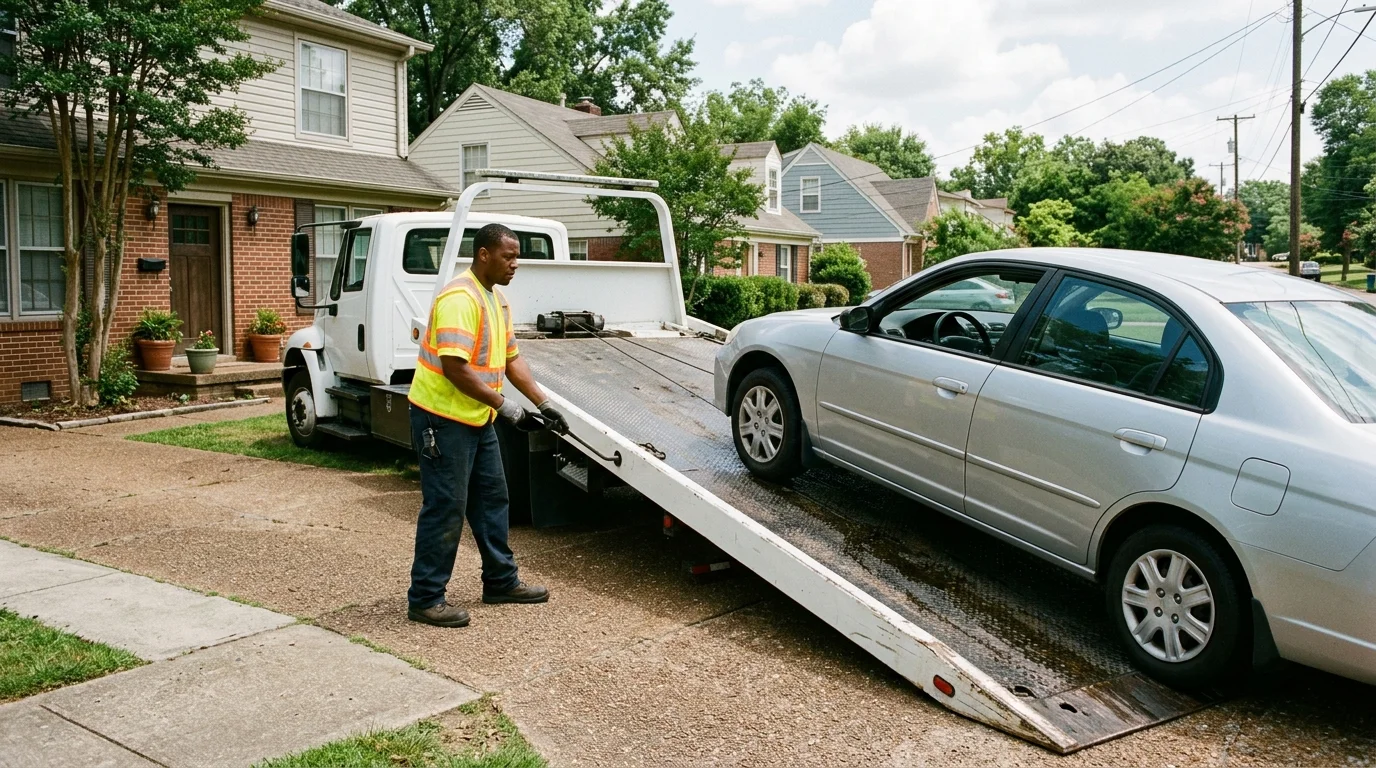
Yes, you can schedule a tow truck ahead of time in Memphis. Planned towing works well for shop visits, vehicle purchases, moving day, and other non-emergency trips.
Quick Tow Memphis takes your details and matches you with a local operator. That operator confirms the schedule, performs the tow, and contracts with you directly. Because the operator controls its calendar, we can’t promise a pickup time before it accepts the job.
Yes, planned towing works differently
An immediate breakdown starts with your current location and safety needs. A planned tow starts with the calendar, access, and destination.
That difference gives you time to collect better information. You can confirm when the repair shop accepts vehicles. You can locate the keys, check the parking access, and identify any vehicle problems. You can also ask that operator for the full total with mileage included, in writing, before you agree. Ask what could change it.
Start with the preferred date and pickup time so the matcher can pass them to an operator. Then explain whether that timing is flexible. A repair appointment may have a firm check-in time. A car leaving your driveway may offer more room in the schedule.
The line takes calls around the clock, so you can request a future tow outside normal shop hours. The operator still needs to accept the work and confirm the plan.
Don’t treat a request as a completed booking. Ask whether the operator has accepted the job. Confirm the pickup address, destination, contact person, and agreed timing in writing.
Planned towing is also different from reserving transportation with a fixed timetable. Active calls, road conditions, and vehicle access can affect an operator’s day. Share any hard deadline at the start. That lets the operator decide whether the job fits its schedule.
For a longer move beyond the immediate area, review the details of long-distance towing before booking. Distance affects routing, equipment planning, and the total cost.
Four details that shape the booking
A useful tow request gives the operator four clear pieces of information.
First, provide the exact pickup and destination. An address isn’t always enough. Name the driveway, garage level, shop entrance, or parking area where the vehicle sits. Mention gates, narrow turns, low branches, steep slopes, or limited loading room.
Second, identify the vehicle. Share its year, make, model, and current condition. Tell us whether the keys are available. Explain whether the car rolls, steers, and brakes. Mention locked wheels, damaged suspension, missing tires, or collision damage.
Third, describe the trip’s timing. Give the preferred pickup date and time. Include any shop appointment, auction release period, property-access restriction, or handoff deadline. If someone else will meet the operator, provide that person’s name and contact details.
Fourth, explain equipment needs already identified by the vehicle owner, repair shop, seller, or manufacturer guidance. If the vehicle needs a flatbed, say that during the first call. Our flatbed towing guide explains what information helps with that request.
Location also matters across the Memphis metro. A Midtown pickup heading to East Memphis is different from a river-crossing trip over the Hernando de Soto Bridge on I-40. A vehicle near Lamar Avenue, which carries US-78, may face different routing than one in Bartlett or Cordova.
Tell us which state the vehicle starts in. A tow originating in Southaven follows Mississippi law. One beginning in West Memphis or Marion follows Arkansas law. Tennessee towing rules shouldn’t be applied to a pickup across either state line.
Shop transfers, auction pickups, and moving day
Shop transfers are among the simplest planned towing jobs when both locations are ready. Confirm that the first shop will release the vehicle. Then make sure the receiving shop knows it’s coming.
Ask where the operator should load and unload. Some repair properties have separate entrances for vehicle deliveries. Others want the car left in a marked area with its keys secured through a specific process. Get those directions from the shop before pickup day.
Auction and seller pickups need more preparation. Confirm the release paperwork, pickup instructions, and access requirements with the seller or auction. Make sure the name on the release matches the person collecting the vehicle when required.
The operator also needs an accurate condition report. A listing photo won’t show every loading problem. Ask whether the vehicle starts, rolls, steers, and has usable tires. Report the answers without guessing.
Moving day creates a different problem. Household plans often depend on several people arriving in order. Don’t bury the vehicle move inside a crowded schedule. Choose a contact who can stay reachable and who knows where the keys are.
Longer moves need a complete destination address and a ready handoff. Confirm whether the receiving location is a home, repair shop, storage property, or another business. Tell the operator about access limits before the trip begins.
A planned tow may cost differently based on distance, vehicle size, truck type, time of day, and hookup difficulty. Read our guide to tow costs in Memphis for the main cost drivers. Ask for the full total with mileage included before agreeing.
Weather and traffic can change the plan
Advance scheduling gives everyone more information. It doesn’t remove Memphis traffic, weather, or active road incidents.
The I-40 and I-55 river crossings can affect a trip between Memphis and Arkansas. The full I-240 loop also connects many common routes across the city. A problem on one corridor may change the operator’s route or affect the day’s schedule.
Check TDOT SmartWay before a planned pickup involving Tennessee highways. It provides current traffic, camera, and incident information. Check again before leaving to meet the operator.
Ice creates a different concern during Memphis winters. A driveway or parking area may become difficult to enter safely. Clear ordinary access when you can do so without taking risks. Tell the operator about untreated slopes, blocked gates, or low-clearance garages.
Heavy rain can also reveal problems that weren’t obvious when booking. Soft ground, standing water, and poor access may change how the vehicle can be reached. Don’t move a damaged or disabled car just to make loading easier. Describe the conditions and let the operator decide how to approach it.
Traffic and weather are why a preferred time can’t become an unconditional arrival promise. Keep the contact phone nearby. If the destination closes at a set time, tell the operator before it accepts the job.
If your schedule can’t move, say that plainly. The operator can then decide whether it can take the work under those conditions.
Get these points in writing before pickup
Written confirmation keeps a planned tow from becoming a chain of assumptions.
Start with the pickup address and final destination. Check apartment numbers, gate instructions, garage levels, and shop entrances. Confirm the vehicle description and where its keys will be.
Next, confirm the preferred date and time accepted by the operator. Include the name and phone number of the person meeting it. If the owner won’t be present, ask the operator what authorization or paperwork it needs.
Get the total in writing before you agree. The total should include mileage. Ask what conditions could change it, including vehicle size, truck type, time of day, distance, or a difficult hookup.
Request an itemized invoice. Quick Tow Memphis is pay per call, with no membership or annual fee. The operator performs the tow and contracts with you directly.
Also confirm the payment method with the operator. Don’t assume every operator, repair shop, auction, or storage property handles payment the same way.
Your final written check should cover:
- The correct pickup and destination
- The accepted date and timing
- The vehicle’s condition and key location
- The requested truck type
- Access instructions at both ends
- The full total with mileage included
- Conditions that could change the total
- The required release or authorization paperwork
- The contact person for pickup and delivery
Save the confirmation where you can reach it on pickup day. Send any schedule or access change as soon as you know about it.
When to call us
Call when a disabled vehicle needs a planned move to a shop, home, auction, or another destination. The recorded line takes calls 24/7 and matches you with a local operator who confirms the calendar and contracts with you directly. Call (901) 557-8700.